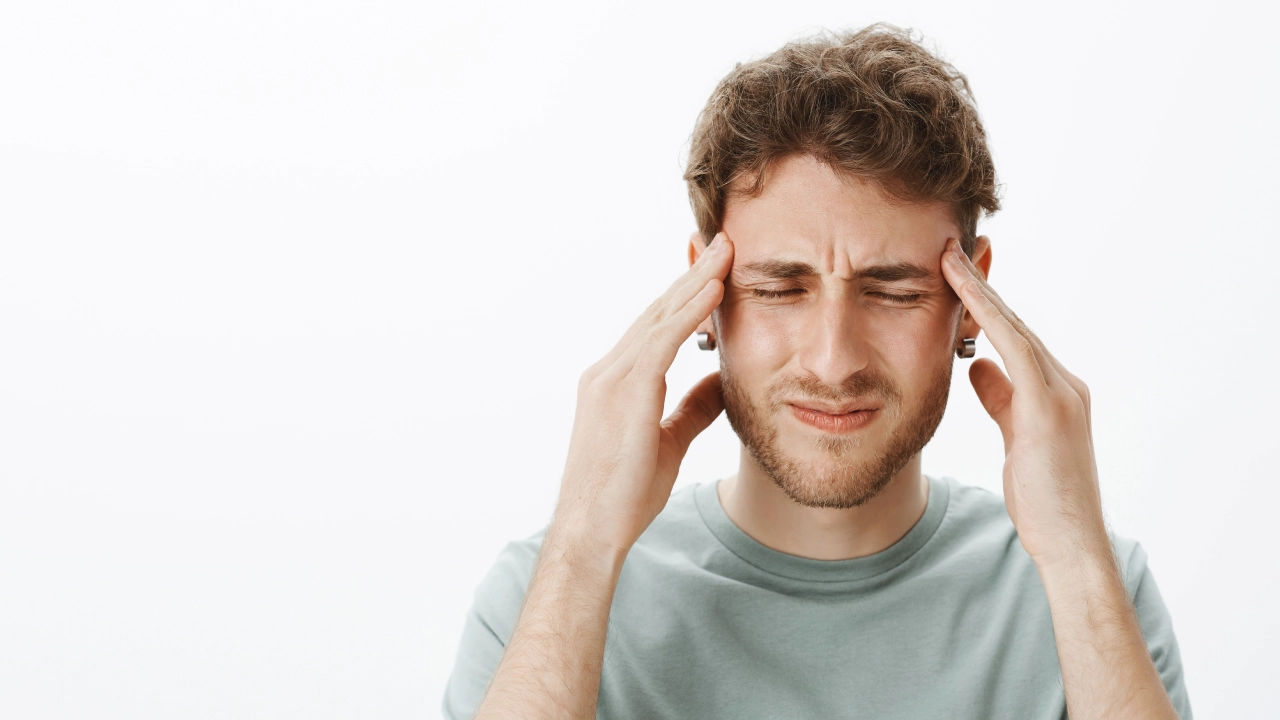

A concussion can affect much more than just your head. After a fall, sports injury, vehicle collision, or sudden impact, you may notice headaches, dizziness, tiredness, difficulty concentrating, or changes in your sleep. These symptoms can interfere with work, school, exercise, and everyday activities.
Although many people recover within a few weeks, others experience symptoms that continue for longer. Knowing what happens after a concussion, when to seek medical attention, and how rehabilitation can support recovery is important.
Concussion rehab involves a planned approach to managing symptoms, restoring daily activities, and gradually returning to physical and mental tasks. The process varies from person to person because every injury and recovery timeline is different.
At All Care Physiotherapy, Chiro, Massage in Delta, BC, people can access physiotherapy services for movement concerns and injury-related challenges. Learning about concussion care can help you make informed decisions about your next steps.
Here are 10 important facts everyone should know about concussion recovery and rehabilitation.
A concussion is a mild traumatic brain injury caused by a blow, bump, or sudden movement that makes the brain move rapidly inside the skull. It can temporarily affect normal brain function.
Importantly, a concussion does not always involve a loss of consciousness. A person may remain awake and still have a concussion.
Common causes include:
Symptoms may appear immediately or develop over several hours. If you suspect a concussion, seek medical assessment rather than waiting for symptoms to become severe.
Many people associate concussions with headaches, but symptoms can involve several areas of daily life. They may affect physical comfort, thinking, emotions, balance, and sleep.
Common symptoms include:
Not everyone develops the same symptoms. Some people mainly notice physical changes, while others struggle with concentration or fatigue.
Keeping a simple symptom diary can help you identify patterns. Record when symptoms appear, what activities trigger them, and how long they last. Please share this information with your healthcare provider.
One common misconception is that a person must pass out to have a concussion. This is incorrect.
A concussion can happen without fainting, a visible head wound, or any obvious external injury. Some people may feel confused, dazed, or unusually exhausted without losing consciousness.
Following an impact, watch for changes in behaviour, speech, coordination, memory, and alertness. If you suspect a head injury, arrange a prompt medical assessment.
Seek emergency care immediately if someone develops repeated vomiting, a worsening severe headache, a seizure, weakness, slurred speech, increasing confusion, unequal pupils, or difficulty waking. Do not leave a person with concerning symptoms alone.
Rest plays an important role during the first stage of concussion recovery. However, staying in a dark room and avoiding all activity for many days is not generally recommended.
Current clinical approaches commonly support relative rest during the first 24 to 48 hours, followed by a gradual return to ordinary activities as symptoms allow.
Relative rest may include:
After the initial rest period, gentle activities such as short walks may be appropriate if symptoms remain manageable. A healthcare professional can help determine suitable activity levels.
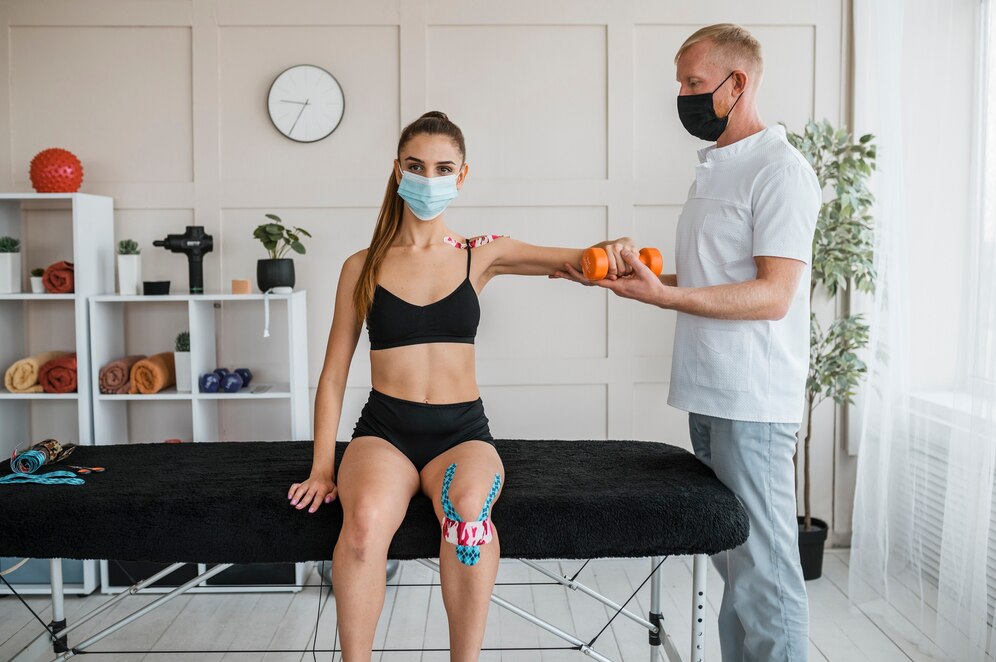
Concussion Rehab is not one single treatment. It can involve different activities depending on the symptoms, medical assessment, and stage of recovery.
A rehabilitation plan may include:
Not every person requires every approach. A qualified healthcare provider can assess symptoms and determine whether physiotherapy or another service is appropriate.
Physical activity is an important part of recovery, but returning to sport or strenuous exercise too soon can create risks.
A staged return-to-sport process usually begins with symptom-limited daily activities and progresses through increasingly demanding physical tasks. Each stage should follow medical advice.
A typical progression includes:
Each stage generally takes at least 24 hours. If symptoms return, stop the activity and consult your healthcare provider before progressing.
Children and teenagers require particular care. They should not return to contact sports until medically cleared.
Phones, computers, televisions, and tablets can sometimes increase concussion symptoms. Bright light, scrolling, visual movement, and prolonged concentration may trigger headaches, dizziness, or eye strain.
This does not mean everyone must avoid screens completely. Instead, pay attention to your symptoms and adjust screen use accordingly.
Practical steps include
If screen-related symptoms continue, discuss them with your healthcare provider. They may assess whether vision, balance, or other issues need attention.
Many adults with a concussion improve within approximately two weeks, although some take longer. Children and teenagers may have different recovery patterns.
Several factors can influence recovery, including:
Persistent symptoms require medical follow-up. Symptoms lasting beyond four weeks are commonly described as persistent post-concussion symptoms.
This does not mean recovery is impossible. It means further assessment may be needed to identify contributing factors and plan suitable care.
Concussion symptoms can make ordinary responsibilities challenging. Reading, meetings, driving, studying, and working with screens may require more effort than usual.
Returning to work or school gradually can help manage these demands.
Possible adjustments include:
Discuss these adjustments with your healthcare provider, employer, or educational institution. Increase responsibilities gradually as symptoms allow.
Avoid driving if dizziness, visual disturbances, slowed reactions, or concentration difficulties affect your ability to drive safely.
A concussion assessment may include questions about the injury, symptoms, medical history, balance, coordination, neck movement, and cognitive function.
Your healthcare provider may recommend additional investigations or referrals depending on your symptoms.
Concussion Rehab can then address specific functional difficulties through supervised activities and gradual progression. Monitoring your response to activity helps determine when changes are appropriate.
Physiotherapy may be relevant when neck discomfort, dizziness, balance difficulties, or exercise intolerance are present. However, it is not a substitute for an initial medical assessment or emergency care.
Choose a provider who understands concussion-related concerns and works within their professional scope. Communication between your physician and rehabilitation provider can help coordinate your care.
1. How long does concussion recovery usually take?
Many adults recover within two weeks, but the timeline varies. Some people experience symptoms for several weeks or longer. Persistent symptoms should be discussed with a healthcare provider for further assessment.
2. When should I start concussion rehab?
The timing depends on your symptoms and medical assessment. Relative rest is generally recommended during the first 24 to 48 hours. After that, gradual activity and suitable rehabilitation may be introduced under professional supervision.
3. Can physiotherapy help after a concussion?
Physiotherapy may address dizziness, balance problems, neck discomfort, and exercise intolerance. Treatment depends on an individual assessment and should form part of a wider care plan when needed.
4. Can I exercise with a concussion?
Light activity may be appropriate after the initial rest period if symptoms remain manageable. Avoid contact sports and strenuous exercise until you have progressed through the recommended stages and received medical clearance.
5. What happens if concussion symptoms do not disappear?
Arrange a medical review if symptoms persist, worsen, or interfere with everyday responsibilities. Your provider may assess contributing factors and recommend further investigations or referrals.
6. Is a second concussion dangerous?
A second head injury before recovery from the first can create serious risks. Avoid contact sports and activities with a risk of another head impact until medically cleared.
Concussion Care at All Care Physiotherapy, Chiro, Massage in Delta, BC
Living with concussion symptoms can make ordinary routines difficult. Knowing when to seek medical assessment, how to manage daily activities, and when rehabilitation may be appropriate can help you make informed decisions.
At All Care Physiotherapy, Chiro, Massage, located in the Life Labs Building Delta, 8425 120 St Unit 103, Delta, BC V4C 6R2, Canada, our clinic provides physiotherapy, chiropractic, and massage services.
If you are experiencing ongoing neck discomfort, balance concerns, or movement difficulties following a head injury, contact our clinic to discuss whether an assessment is appropriate.
Call All Care Physiotherapy, Chiro, and Massage at +1 604-503-1233 to ask about available appointments and clinic services.
Take the next step towards managing your symptoms with appropriate medical care and a gradual return to everyday activities.
Copyright 2026 All Care Clinic. All Rights Reserved. Designed & Developed By CONVIRZON