TR Therapy
Read More

Head pain can appear as pressure, throbbing, aching, tightness, or discomfort around the forehead, temples, back of the head, or behind the eyes. It may occur on its own or alongside neck stiffness, shoulder tension, jaw discomfort, or changes in movement.
At All Care Clinic, we assess different patterns of head and neck symptoms to identify factors that may be contributing to your condition. If you are searching for Head Pain in Delta, BC, our team can discuss your symptoms, assess relevant physical factors, and determine an appropriate next step.
Head pain can have many causes, and the symptoms can vary from one person to another. Some forms are associated with muscular tension, neck movement, posture, jaw function, or daily activities. Other forms may require assessment from a physician.
Conditions and symptom patterns we assess include:
Tension-type headaches may feel like pressure or tightness around the forehead, temples, or back of the head. Neck and shoulder tension can occur at the same time.
Common factors associated with this type of headache may include:
When assessing Head Pain in Delta, BC, we may examine the relationship between head symptoms, neck movement, muscle function, posture, and daily activities.
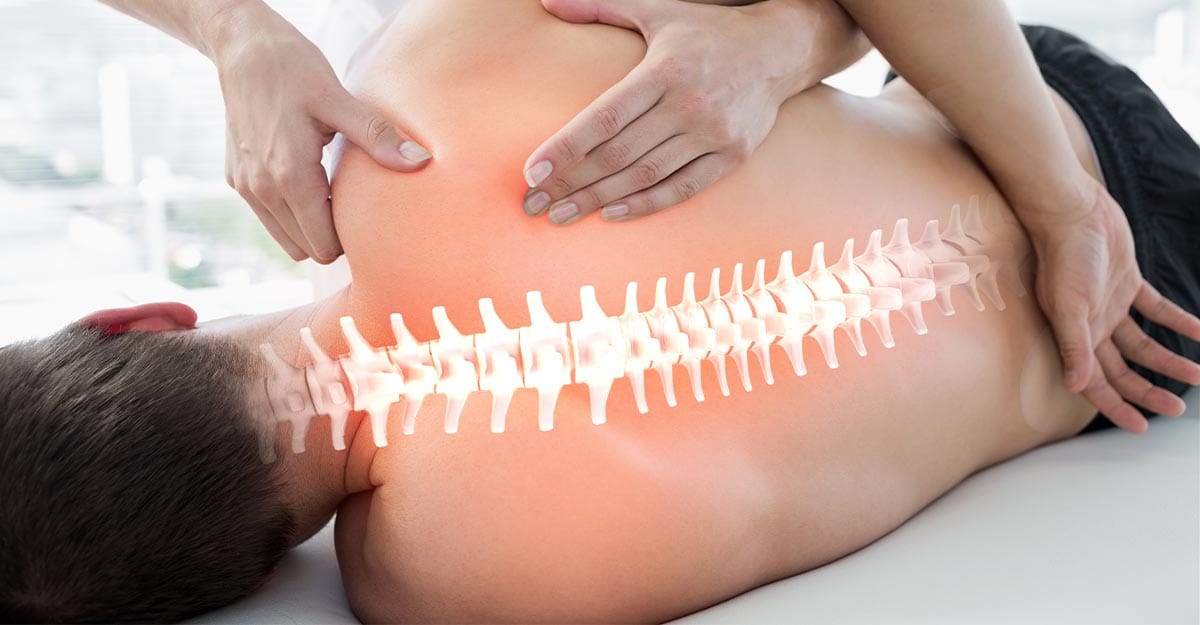
Cervicogenic headaches are associated with structures in the neck. Symptoms may begin around the upper neck and extend toward the back of the head, temples, forehead, or areas around the eyes.
Possible signs include:
An assessment may examine cervical movement, upper-back mobility, muscle function, and posture to determine whether these factors may be connected to your symptoms.
Migraines can involve more than head pain. Some people experience sensitivity to light or sound, nausea, visual changes, or other symptoms.
Migraine can have several possible triggers and presentations. New, severe, changing, or recurring migraine symptoms should be discussed with a physician or other qualified healthcare provider.
If physical factors involving the neck, upper back, or jaw seem relevant, a healthcare provider may also assess these areas.
Headaches and neck symptoms can occur together. Reduced neck mobility or tension around the upper neck and shoulders may accompany certain headache patterns.
During an assessment for Head Pain in Delta, BC, relevant areas may include:
The purpose is to identify physical factors that may be associated with the symptoms and determine whether further assessment or another form of care is appropriate.
Long periods spent at a computer, using a phone, studying, driving, or sitting in one position can place sustained demands on the neck and upper back.
Some people notice head discomfort after:
Posture is only one possible factor. A physical assessment can help determine whether movement or positioning appears relevant to the symptoms.
The temporomandibular joints connect the jaw to the skull. Problems involving these joints or the surrounding muscles can occur alongside temple-area pain, facial discomfort, headaches, and jaw symptoms.
Possible signs include:
For people seeking Head Pain in Delta, BC, an assessment may consider jaw function when symptoms suggest a possible connection.
Muscles around the neck, shoulders, upper back, and jaw can become tense during prolonged activities or repetitive movements. Some people notice head discomfort at the same time.
An assessment may look at:
The findings can help determine whether muscle-related factors are relevant to the symptoms.
Phones, tablets, laptops, and desktop computers are part of daily life for many people. Long periods of screen use may involve sustained neck positioning, reduced movement, eye strain, and prolonged sitting.
Some people notice symptoms after extended screen sessions.
Factors that may be reviewed include:
These factors can be considered when assessing Head Pain in Delta, BC, particularly when symptoms appear during or after computer or phone use.
Recurring, persistent, unexplained, or changing head pain should be discussed with an appropriate healthcare provider.
Seek urgent medical attention when head pain occurs with symptoms such as:
These symptoms can require prompt medical assessment.
When you visit All Care Clinic for Head Pain in Delta, BC, an assessment may include several areas depending on your symptoms.
We discuss when the symptoms started, where they occur, how often they appear, and whether specific activities affect them.
Neck, shoulder, and upper-back movement may be assessed when these areas appear relevant to your symptoms.
Muscle tension, tenderness, strength, and movement coordination may be examined.
Computer use, driving, phone use, exercise, sleep position, and work habits may be discussed.
The assessment findings are used to determine appropriate next steps. If your symptoms suggest the need for another form of medical assessment, referral may be recommended.
We discuss your symptoms, medical history, daily routine, and situations in which head pain occurs.
Relevant areas such as the neck, upper back, shoulders, jaw, and movement patterns may be assessed.
We explain the findings and discuss physical factors that may be associated with your symptoms.
A care plan is developed according to the assessment findings and your day-to-day needs.
Your symptoms and movement are reviewed during subsequent visits, with changes made when appropriate.
Seeking assessment for recurring head symptoms can help you:
The goal is to connect your symptoms with relevant findings rather than treating every type of headache in the same way.
People seeking Head Pain in Delta, BC may also have other symptoms involving the head, neck, shoulders, or upper back.
Related concerns may include:
These symptoms can have different causes, so assessment focuses on the individual’s presentation.
What types of head pain do you assess?
We assess several headache and head symptom patterns, including tension-type headaches, cervicogenic headaches, migraine-related symptoms, posture-associated discomfort, and symptoms occurring alongside neck or jaw concerns.
Can neck problems cause headaches?
Certain headache patterns are associated with structures and movement in the neck. An assessment can examine whether neck mobility, muscle function, or related physical factors may be involved.
Can posture contribute to headaches?
Prolonged positioning can place sustained demands on the neck and upper back. For some people, such positioning may be associated with head discomfort.
Can jaw problems cause head pain?
Jaw and TMJ problems can occur alongside temple-area symptoms, facial discomfort, and headaches. Jaw function may be assessed when the symptoms indicate a possible connection.
Should I see a doctor for recurring headaches?
Recurring or changing headaches can have many causes. Medical assessment is appropriate when symptoms are new, persistent, severe, or accompanied by unusual signs.
How can I seek care for Head Pain in Delta, BC?
You can contact All Care Clinic to discuss your symptoms and arrange an assessment. Your first visit can focus on your symptoms, relevant physical factors, and appropriate next steps.
How long does a head pain assessment take?
The duration can vary according to your symptoms and the areas that need to be assessed. During the appointment, your concerns and relevant physical factors can be reviewed.
All Care Clinic serves people searching for Head Pain in Delta, BC and related head, neck, jaw, and musculoskeletal concerns.
Areas in and around Delta include:
All Care Clinic provides assessment and care for a range of health and musculoskeletal concerns. When you visit for head pain, the focus is on your symptoms, relevant history, physical findings, and appropriate next steps.
Rather than treating every headache pattern in the same way, the assessment considers factors that may include neck movement, muscle function, posture, jaw function, and daily activities.
Depending on your symptoms, related areas of care may include:
If you are looking for Head Pain in Delta, BC, contact All Care Clinic to discuss your symptoms and arrange an appointment.
During your visit, we can review your symptoms, assess relevant physical factors, and discuss the appropriate next step based on the findings.
Call 236-332-6237 to book your appointment or visit us at 8425 120th Street, Unit 103 (LifeLabs Building, Ground Floor), Delta, BC V4C 6R2.
Copyright 2026 All Care Clinic. All Rights Reserved. Designed & Developed By CONVIRZON