TR Therapy
Read More

If you are looking for Acupuncture Treatments in Delta, All Care Clinic provides acupuncture as part of a physiotherapy-based approach that focuses on restoring movement, reducing muscle tension, and supporting the body’s natural response to pain and dysfunction. Acupuncture has been used for centuries and is now commonly integrated into modern healthcare for a wide range of musculoskeletal and neurological conditions. Whether you are dealing with persistent neck pain, back discomfort, sports injuries, headaches, or stress-related muscle tension, acupuncture may become a valuable part of your treatment plan. At All Care Clinic, every appointment begins with an assessment so your physiotherapist can determine whether acupuncture is appropriate for your condition and recovery goals.
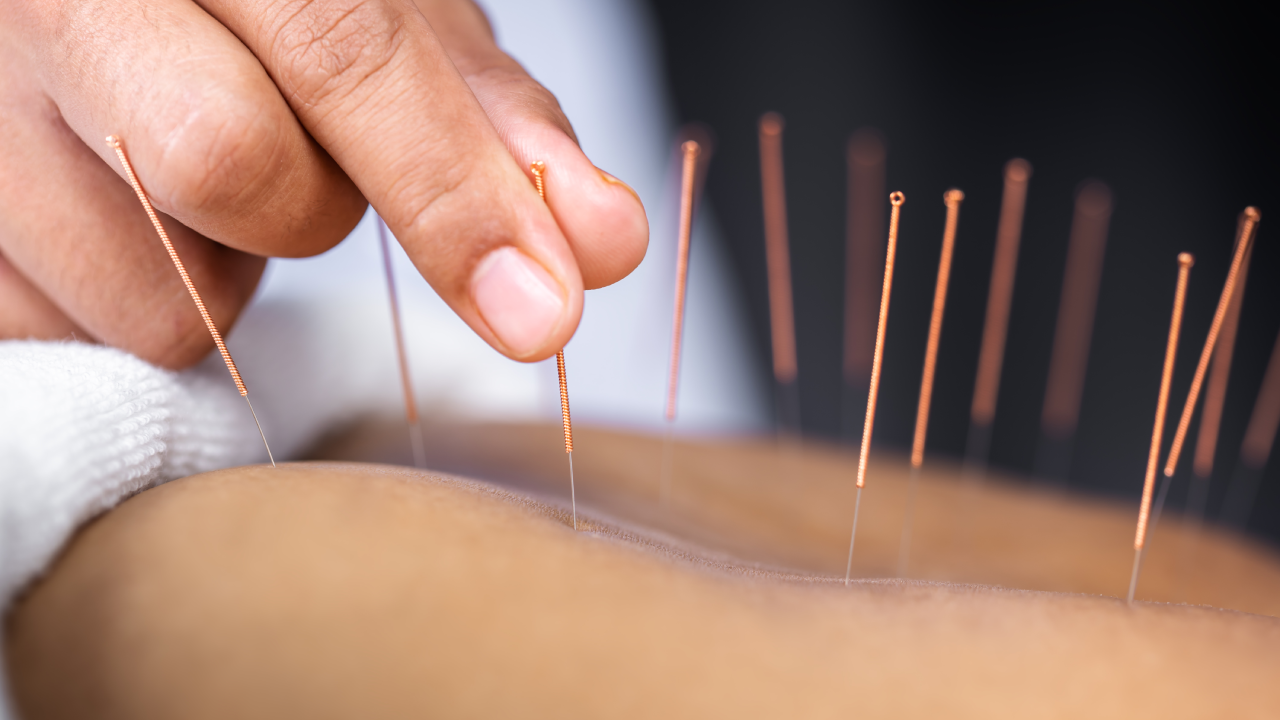
Acupuncture is a therapeutic technique that involves inserting very fine, sterile needles into specific points on the body. These points correspond with muscles, connective tissues, and nerve pathways that may influence pain perception, circulation, and muscle activity.
Today, acupuncture is widely used alongside physiotherapy to assist people recovering from injuries, repetitive strain, chronic discomfort, and movement limitations. Modern research suggests that acupuncture may stimulate the nervous system, encourage blood flow, and trigger the release of naturally occurring chemicals that influence how pain is processed.
At All Care Clinic, acupuncture is incorporated into a broader rehabilitation program rather than being used as a stand-alone treatment. Depending on your condition, it may be combined with manual therapy, therapeutic exercise, stretching, posture correction, and movement education.
People often seek Acupuncture Treatments in Delta when traditional methods alone have not produced the progress they hoped for or when muscle tightness continues to interfere with everyday activities.
Many individuals can benefit from acupuncture when it forms part of a structured rehabilitation program.
Long hours spent sitting at a computer often contribute to:
Acupuncture may assist by addressing muscle tightness while physiotherapy focuses on correcting movement habits.
Athletes frequently experience overuse injuries, muscle fatigue, tendon irritation, and sports-related strains.
Acupuncture may be used during rehabilitation for conditions such as:
When paired with strengthening exercises, it can support a progressive return to sport.
As people age, joint stiffness and muscle tightness may affect mobility and daily function.
Acupuncture may become part of treatment for:
Treatment plans are always adapted to the individual’s health status and physical abilities.
Post-operative rehabilitation often involves restoring movement while managing muscle guarding and restricted mobility.
Acupuncture may be included during recovery from:
The timing of treatment depends on surgical recommendations and the stage of recovery.
People living with persistent discomfort often develop muscle guarding that limits normal movement.
Examples include:
Acupuncture may help reduce muscle tension while physiotherapy addresses the underlying movement dysfunction.
Following workplace accidents or motor vehicle collisions, people frequently experience:
Acupuncture can become one component of a rehabilitation plan aimed at improving function during recovery.
Many people seek acupuncture because everyday movement becomes difficult due to ongoing discomfort or restricted mobility.
Acupuncture may be considered when someone experiences:
Your physiotherapist will determine whether acupuncture is appropriate after assessing your symptoms, medical history, and physical examination findings.
Every treatment begins with a detailed assessment.
This includes reviewing:
The assessment helps identify whether acupuncture should form part of your rehabilitation plan.
All Care Clinic uses sterile, single-use acupuncture needles that are disposed of after each session.
This helps maintain a safe clinical environment while following infection prevention protocols.
No two injuries are identical.
Treatment planning considers:
Acupuncture is integrated into a broader physiotherapy strategy when appropriate.
Acupuncture often works alongside other rehabilitation techniques such as:
This combination aims to address both symptoms and the factors contributing to the condition.
Recovery is monitored throughout each stage of care.
Your physiotherapist may evaluate:
Treatment plans are adjusted as recovery progresses.
Your first appointment begins with a discussion about your symptoms, medical history, lifestyle, work demands, and activity level. Your physiotherapist will also ask when the problem began, what movements aggravate it, and whether you have received previous treatment.
A detailed physical examination follows. This may include checking posture, joint mobility, muscle strength, flexibility, balance, and movement patterns. These findings help determine whether Acupuncture Treatments in Delta are appropriate for your condition and how they can fit into your rehabilitation plan.
Based on the assessment, your physiotherapist develops a care plan that outlines the recommended number of visits, the techniques to be used, and any home exercises or activity modifications that may support your progress.
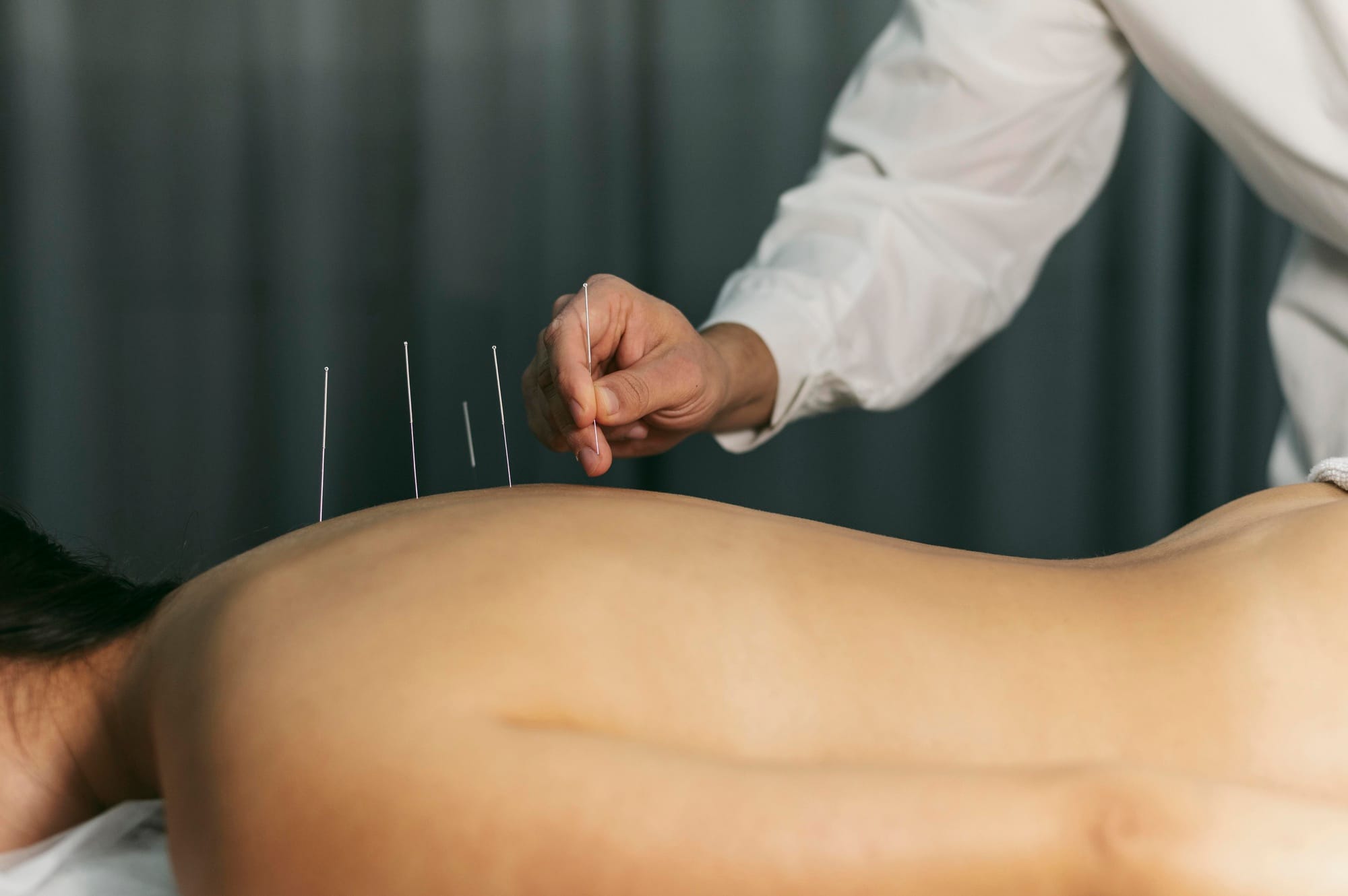
Very fine, sterile needles are inserted into selected points based on your assessment findings. The needles generally remain in place for several minutes while you rest comfortably. Many people describe the sensation as mild, with little or no discomfort.
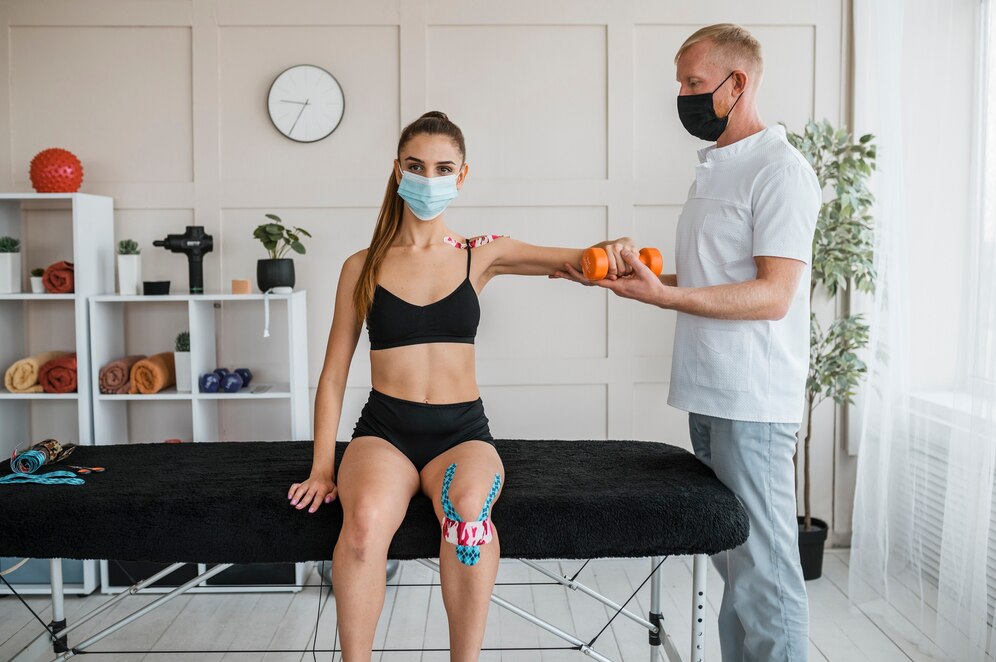
Acupuncture is commonly combined with physiotherapy techniques such as manual therapy, stretching, strengthening exercises, and movement education. This integrated approach helps address both the symptoms and the underlying movement issues contributing to your condition.
Rehabilitation programs often incorporate acupuncture, as it can enhance recovery in various ways when used alongside physiotherapy. The exact results vary depending on the condition being treated, overall health, and participation in the recommended treatment plan.
Tight muscles can limit movement and contribute to ongoing discomfort. Acupuncture may help relax overactive muscles, making it easier to perform daily activities and participate in rehabilitation exercises.
Restricted joints and muscle tightness often reduce flexibility. By addressing these issues, acupuncture may assist with restoring movement in areas such as the neck, shoulders, back, hips, and knees.
Research suggests acupuncture may stimulate the nervous system and encourage the release of naturally occurring chemicals involved in pain regulation. This may help some individuals manage discomfort during the recovery process.
Acupuncture is often most useful when combined with other rehabilitation methods. Manual therapy, exercise programs, posture correction, and movement retraining can work together with acupuncture to address multiple aspects of recovery.
Sports injuries, workplace incidents, and motor vehicle collisions can lead to muscle guarding and restricted movement. Acupuncture may assist in reducing muscle tension so patients can progress through rehabilitation more comfortably.
As movement improves, many people find it easier to perform activities such as:
One advantage of acupuncture is its versatility. It may be incorporated into treatment plans for acute injuries, persistent pain conditions, repetitive strain injuries, and post-operative rehabilitation.
People often visit All Care Clinic for Acupuncture Treatments in Delta to assist with conditions such as:
Muscle tightness, poor posture, and repetitive movements may contribute to ongoing neck discomfort. Acupuncture may be used alongside posture correction and strengthening exercises.
Both upper and lower back pain can affect work, sleep, and everyday movement. Treatment plans often combine acupuncture with manual therapy and rehabilitation exercises.
Sciatica may involve pain, numbness, or tingling travelling down the leg due to nerve irritation. Acupuncture may become part of a broader management program.
Acupuncture may be considered for:
Athletes commonly seek treatment for:
Some headaches are linked to muscle tension in the neck and shoulders. Acupuncture may help reduce muscle tightness contributing to these symptoms.
Heel pain caused by plantar fascia irritation can interfere with walking and physical activity. Acupuncture may be included with stretching and strengthening exercises.
These repetitive strain conditions often involve tendon irritation around the elbow. Treatment typically combines acupuncture with exercise and activity modification.
People living with osteoarthritis may seek acupuncture to help improve joint mobility and reduce muscle stiffness surrounding affected joints.
Wear comfortable clothing that allows quick access to the area being treated. Loose-fitting shorts or sleeves may be beneficial depending on your condition.
Often, yes. Home exercises and activity recommendations are often provided to help maintain progress between appointments.
Many extended health benefit plans include coverage for physiotherapy services that incorporate acupuncture. Coverage varies by provider, so it is advisable to check with your insurance company before your appointment.
All Care Clinic provides Acupuncture Treatments in Delta for residents throughout the community and surrounding areas.
Patients commonly visit our clinic from:
If you are unsure whether our clinic serves your location, our team can assist when you contact us.
Choosing a clinic involves more than selecting a treatment. At All Care Clinic, every patient begins with a detailed assessment to determine the most appropriate course of care based on their condition and functional goals.
Our approach includes:
Rather than focusing on symptoms alone, our physiotherapists evaluate how muscles, joints, posture, and movement patterns contribute to your condition.
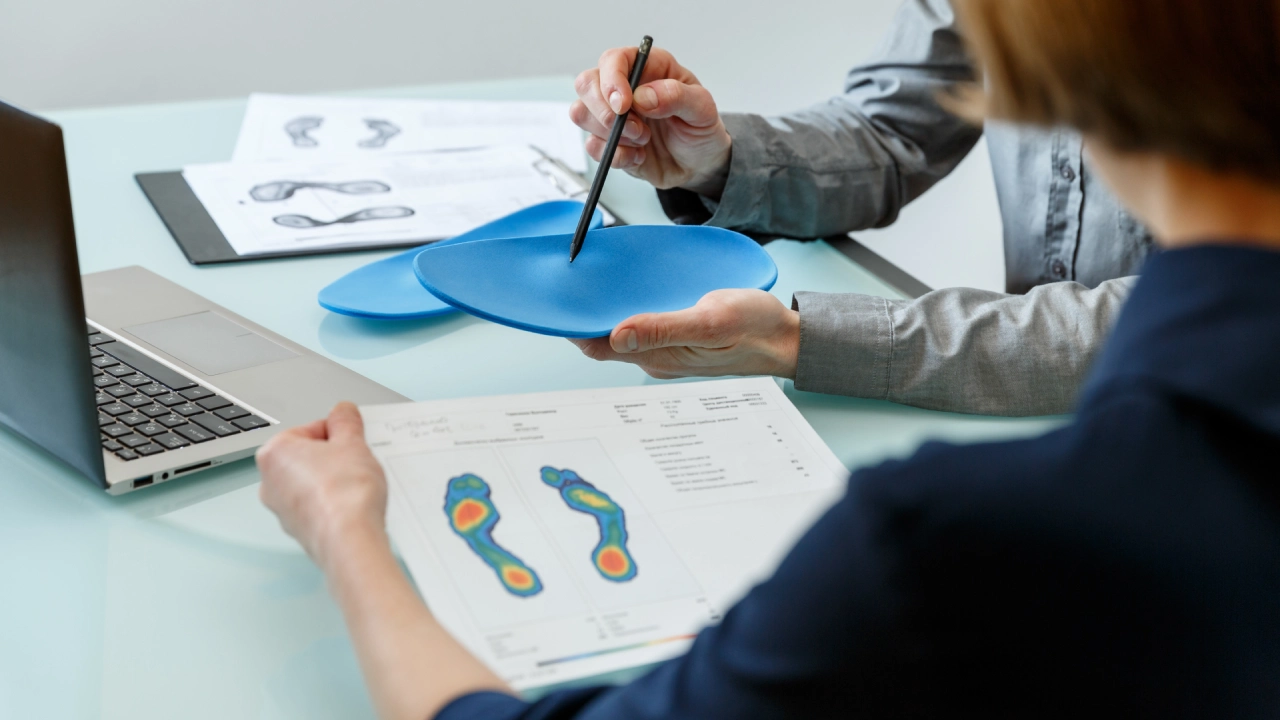
Depending on your needs, your physiotherapist may recommend additional services available at All Care Clinic, including:
These services can complement Acupuncture Treatments in Delta as part of a coordinated rehabilitation plan.
If pain, muscle tension, or restricted movement is affecting your daily routine, Acupuncture Treatments in Delta may become part of a physiotherapy program focused on improving function and supporting your recovery.
Contact All Care Clinic at 236-332-6237 to arrange your initial assessment. During your first visit at 8425 120 Street 103 Unit In Life Labs Building Ground Floor, Delta, BC V4C 6R2, Canada, a physiotherapist will discuss your symptoms, perform a detailed examination, and determine whether acupuncture is appropriate for your condition. From there, you’ll receive a treatment plan based on your assessment findings, recovery goals, and everyday activity requirements.
Whether you are recovering from an injury, managing a persistent condition, or looking to improve mobility, All Care Clinic is here to help you take the next step toward moving with greater confidence and comfort.
Your appointment includes an assessment, treatment planning, acupuncture using sterile single-use needles, and recommendations for exercises or activity modifications when appropriate.
Most people report minimal discomfort. The needles used are much thinner than those used for blood tests or vaccinations. Some individuals feel a mild tingling, warmth, or slight ache during treatment.
The number of sessions varies depending on your condition, symptom duration, and treatment goals. Your physiotherapist will discuss an estimated treatment plan after completing the assessment.
When performed by trained healthcare professionals using sterile, single-use needles, acupuncture is generally considered safe. Your medical history will be reviewed before treatment to determine whether acupuncture is appropriate for you.
Yes. At All Care, acupuncture is commonly integrated with physiotherapy techniques such as manual therapy, exercise programs, stretching, and movement education to support rehabilitation.
Copyright 2026 All Care Clinic. All Rights Reserved. Designed & Developed By CONVIRZON